Selected work and collaborations

THE PATTERN
The hard part is rarely just writing code.
A product idea needs technical direction before it turns into software anyone can use. An AI demo stays a demo until it has retrieval, data flow, access control, and observability behind it. A document-heavy operation stays a mess until someone gives it structure.
That gap is the part I care about: where architecture meets product thinking and whatever constraints the actual situation throws at you.
APPROACH
1.
Understand
the work
I start with the product, the users, the data, and whatever systems already exist. The point is figuring out what actually has to be reliable, and what doesn’t.
2.
Define the
technical shape
I turn fuzzy requirements into architecture, scope, and trade-offs you can argue about, and change when reality pushes back.


















WHY THIS MATTERS
Engineering that makes the system easier to trust.
Shipping something that looks finished is the easy part. The harder goal is making the parts that matter understandable and reliable enough to keep changing.
AVAILABLE FOR SELECT PROJECTS
When the problem fits, Luminiware can become a project partner.
Some work starts as a focused build and ends there. Some turns into ongoing technical support. Some is really a portfolio experiment we figure out together. The first conversation is just about the problem, the constraints, and how much ownership it actually needs.
Focused software projects
AI and document systems
Technical direction
Web and product engineering
Documentation included
Clear handoff
Selective work, direct communication, and enough documentation for the system to keep moving.
WORK
Built around how the work actually runs.
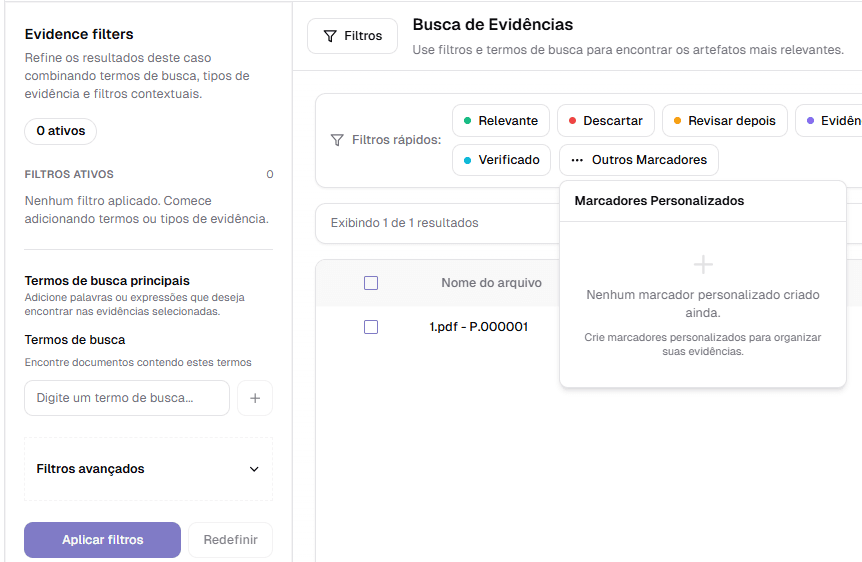
A few software systems and products, each shaped around the operation it had to support.


CAPABILITIES
The thread running through all of it: software that needs more than someone to just write the code. There’s ambiguity, product stakes, or operational constraints in the way.
Backend
Product Engineering
APIs, web apps, integrations, and internal platforms, taken from a rough technical definition all the way to production.
AI + Document Systems
AI and Document Systems
Document processing, retrieval, search, private AI workflows, and the pipelines that connect them to how the organization actually works.
const system = defineArchitecture({
documents: "traceable",
retrieval: "auditable",
access: "least-privilege",
handoff: "documented",
})
return (
// Tools follow the problem.
handoff: ‘documented’
});
// Tools follow the problem.
</div>
);
};
Technical Direction
Architecture, planning, system reviews, and trade-off calls, for teams that need a stronger technical owner in the room.
Operational Software
Dashboards, automations, and internal tools shaped around how the organization actually works.
TECHNOLOGY
The stack follows the system.
I pick tools based on what the system needs: reliability, privacy, deployment constraints, the team, and how long the thing has to survive. Tools chosen for the problem, not the sales page.
QUESTIONS
The short version, before we talk through the project, collaboration, or opportunity.
Have a technical problem that deserves a serious answer?
Tell me what you’re building, what’s stuck, or where you need a stronger technical owner. I’ll look at the context and tell you straight whether Luminiware is the right place for it.
No sales pitch. The first conversation is about the problem, the constraints, and how much engineering ownership it really needs.